









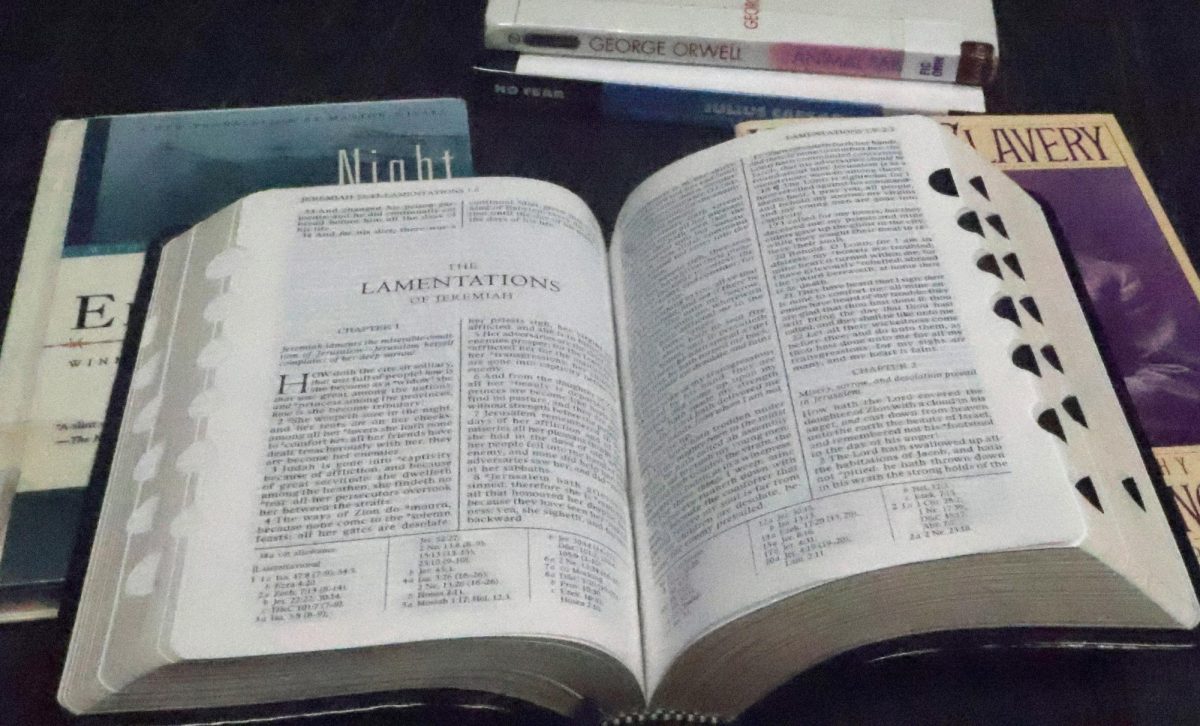






In 2023 Texas passed HB 1605, a piece of legislation that required mandatory reading for each grade level in Texas public schools. The first draft of this list, released in earlier this year, includes more than 10 passages from the Bible while not including any other religious texts. The Crimson Connection staff believes that religion doesn’t hold such a place in the classroom as to exclude other religions.
The addition of religion in public schools began before this. In 2024,Texas approved an optional curriculum that included Biblical stories in lessons. Texas elementary schools had the option to adopt the curriculum, though districts that did so received additional funding per student. With budget cuts plaguing public schools all throughout Texas, the addition of increased funding for schools that adopted the curriculum was a calculated move.
Religious readings in and of themselves aren’t the issue here; rather the fact that no other religious texts were presented. If excerpts from other religious books had been included, it wouldn’t have been nearly as much of an issue, as it could be reasoned as a taste of cultural diffusion for students. With only the inclusion of the Christian Bible it leaves one religion favored over another, which is completely unfair to students of other various religions. Students of other religions may feel ostracized or not feel as valued as Christian students.
Another point of contention with the addition of these mandatory texts would be a further decrease in local control over public school education. Local control is important to public schools as the local officials often knows the needs of the children versus the state government. Each individual community has its own needs to be fulfilled that the state government can’t always understand. Local community is a really important thing in education, and having that taken away could possibly have drastic effects on young students.
Parents will be able to opt their children out of these religious texts as they can do for any other required readings in the classroom, but this choice won’t come without its downsides. These texts may be included on state tests and being opted out of these readings could possibly leave some students less prepared than others for testing. Students shouldn’t be put at a disadvantage just because they don’t want to read texts exclusively from a religion that they are not a part of.
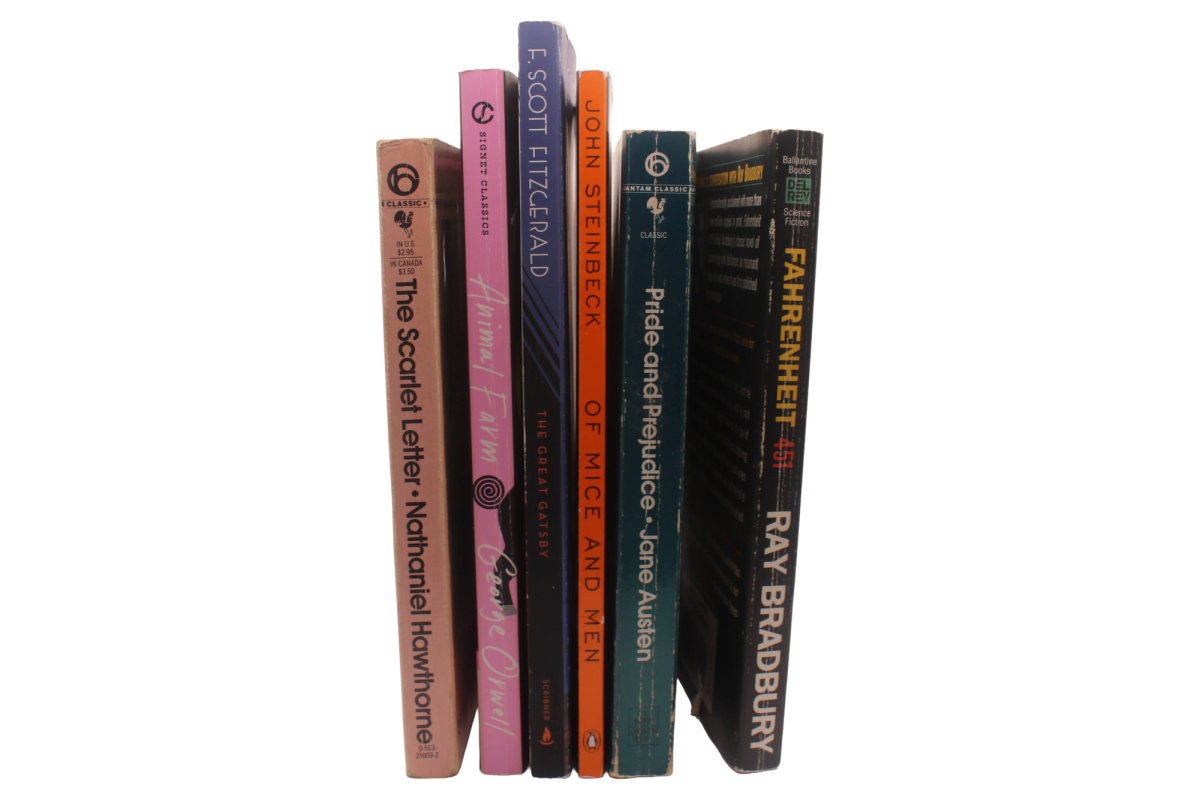
For the past couple of years there has been an attack on the Texas education system. It began with the banning of books that covered topics that legislative officials didn’t agree with, and now it has delved even further into mandatory reading for only one religion. Texas is one of the most diverse states in the nation and the provided education should reflect that. A cookie-cutter approach to education simply does not work in a state with such expansive diversity.