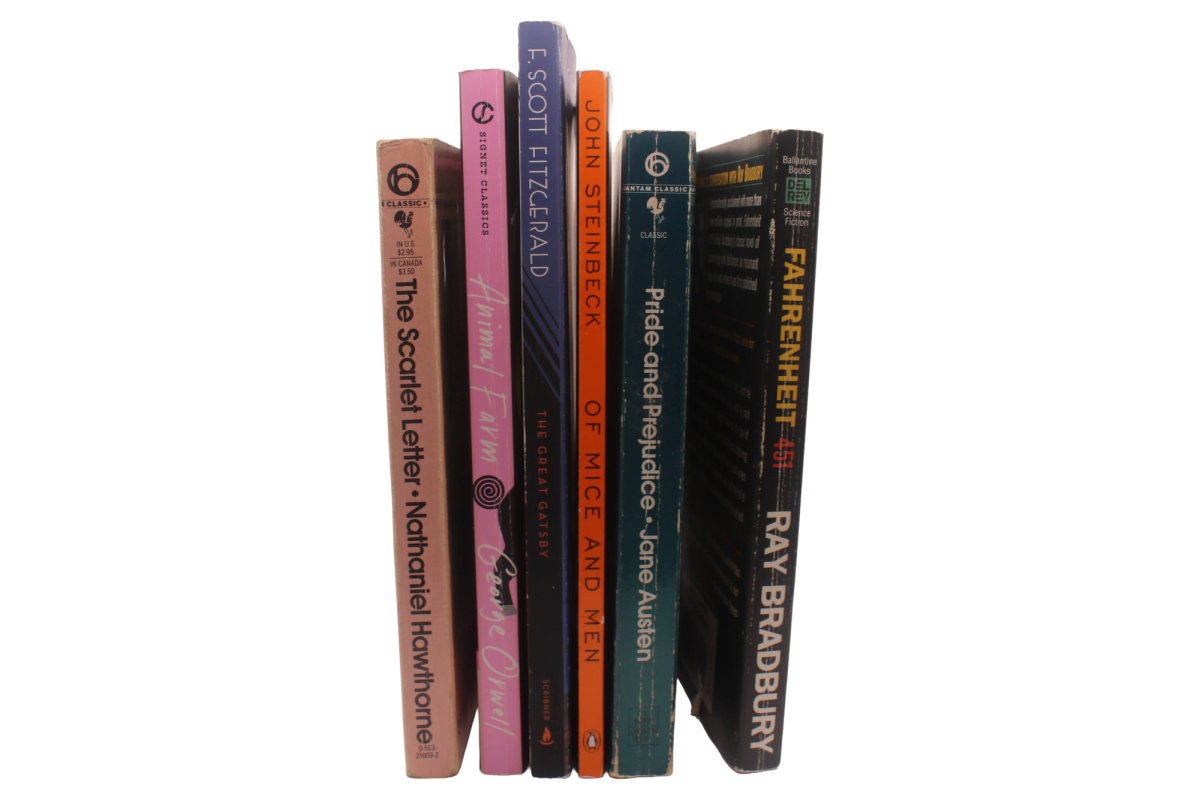
















The state is creating a required reading list for all English classes, which would go into effect around 2030. A 2023 state law directed the state to create the list, mandating at least one reading per year. The State Board of Education will vote in June whether to approve the list.
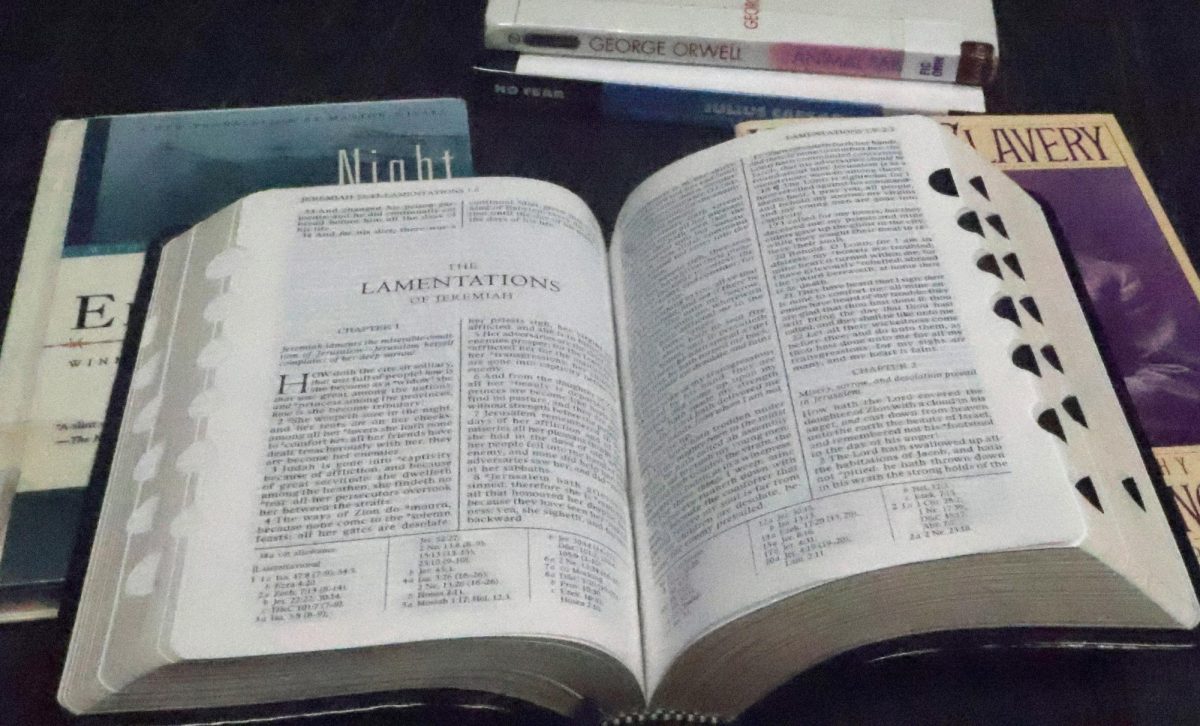
When this list takes effect, all public schools in the state will require the same readings in their English classes. The proposed drafts for the list feature books that are new and old to the English curriculum, such as “The Crucible” and “Night,” paired with shorter texts and Biblical passages.
High School ELAR coordinator Laura Blake has said that multiple texts could affect the time put into teaching other topics, which puts stress on teacher and curriculum teams. The first draft of the list included five full books in high school plus other shorter readings, but state board members have proposed amendments.
“The initial list was daunting and would require a significant reworking of our current curriculum,” Blake said. “However, I’m reserving judgment until we know for sure how many works on the list we will be required to teach.”
Blake and her colleagues are worried about certain books on the list and how when choosing texts, people should consider both Lexile levels and thematic maturity.
“While a ninth grader may be physically able to read and decode the words in a certain book, the content may require the emotional maturity of an older student to process effectively,” Blake said.
However, Blake said there are some benefits with this proposed policy, including enhancing collaboration, supporting student mobility, promoting economic efficiency and creating a common language.
“It builds a statewide intellectual community where students share the same metaphors and thematic references, fostering civic belonging and college readiness,” Blake said.
Sophomore Lilah Perry said making everyone read the same thing is like a double-edged sword.
“On one side, it’s good because the district can communicate on the same topics and the same book,” Perry said. “Then, it’s hard to find ways to dive into it without doing the exact same thing other schools are doing.”
Another student, sophomore Katt Twigg, said it’s a good idea to have more books and variety into it, but there shouldn’t be a focus on a certain religion.
“If you were to include other religions, then sure, do that, but it’s only Christians. What about people that are either not religious or are of a different religion?” Twigg said.
Twigg feels it’s a good idea to have people read the same text, but just not the text they want to require.
“We’re supposed to have separation of church and state, and we’re definitely not supposed to have specific religions in schools,” Twigg said. “I think it’s just incredibly rude to shove your specific religion into required readings in schools.”