Bombs rain down from the sky.
Tear gas is thrown at civilians, trying to get them to run away in fear.
When the ground shakes, people flee and President Nicolás Maduro’s regime ruins the lives of millions of Venezuelans for another day.
Until on Jan. 3, after 25 years of terror and 8 million refugees, the U.S. embassy captured Maduro and broadcast it on national TV.
Three high school seniors who lived through some of Venezuela’s worst years describe their experiences during and after the fall of this dictatorship.
“I woke up to my mom and my grandpa screaming all over the place. My mom was like, ‘he’s down.’ And I was like, ‘Who’s down? What’s going on?’” senior Isabella Martinez said. “He’s been there for God knows how long, there’s no way.”
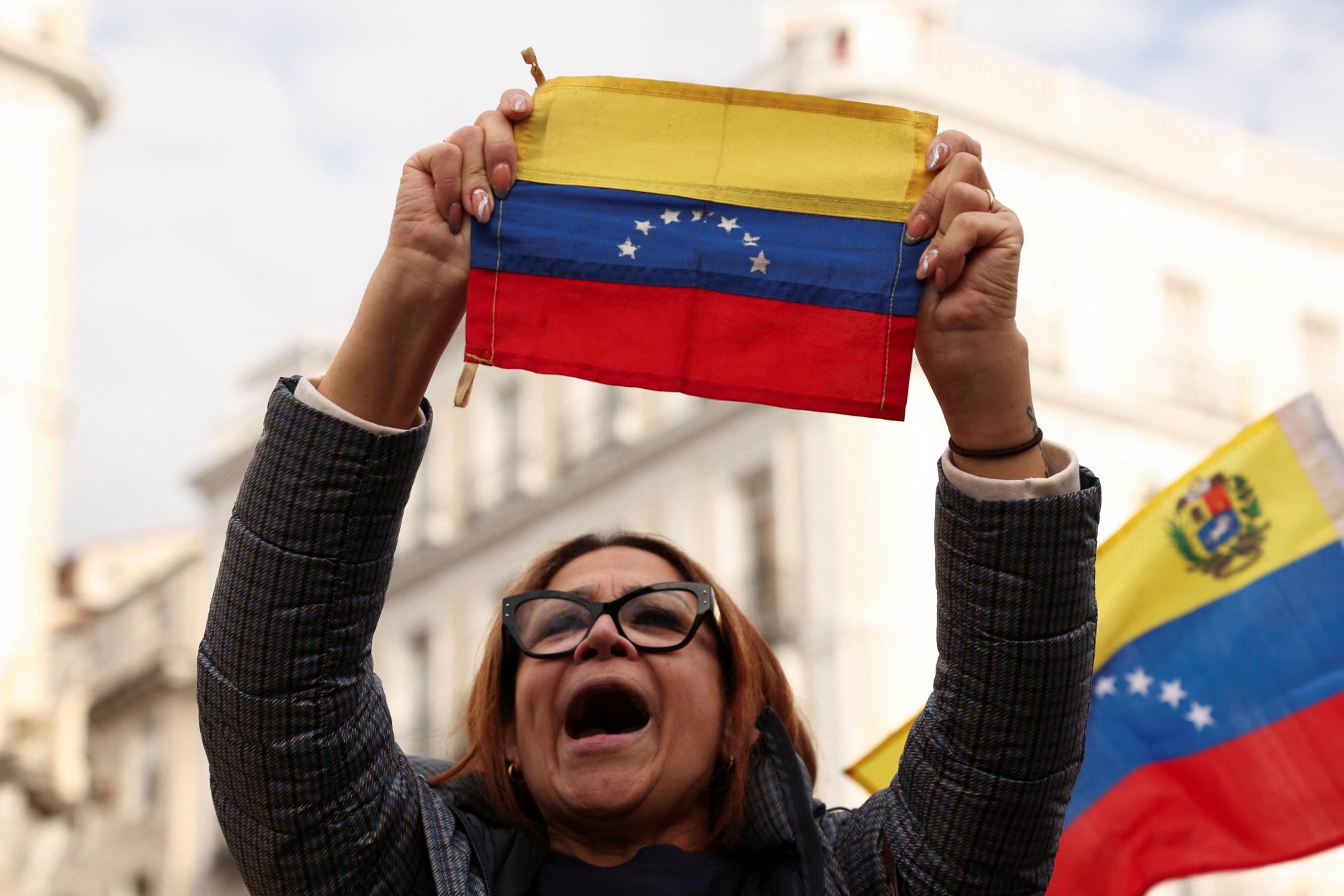
After a picture of Maduro getting detained on a helicopter was released, social media went ballistic. Comments debating over Venezuela being under new management and critiquing citizens for celebrating the invasion was harmful to those who were personally affected by the issue.
“You do feel kind of defensive when it comes to that because, for me especially, I did live all the protests. And it was awful. It was awful,” Martinez said. “So when you see people being like, ‘you shouldn’t feel this way,’ it’s obviously a little degrading. It’s like, OK, well, I went through literally Hell and back.”
Senior Hector Aguirre, who goes to Bridgeland High School, wants people to know that this isn’t just an issue that can be seen as right or wrong. In fact, he specifically used one word to describe the situation: nuanced.
“What I always try to remind people is that two things can be true at once. The U.S’s execution of its intervention was unlawful and sets a horrific precedent, and Venezuela’s capture of its dictator is something to be celebrated and there is hope to be had for the country,” Aguirre said. “What people failed to recognize in the situation as it happened was nuance. Not everything is as black and white as you think it is.”
Hector’s parents experienced major mistreatment from the dictatorship. He talked about how bad things happened to his dad that put them in danger and led them to fleeing. He thinks that with the capture of Maduro, at least there’s a small glimpse of hope, even if it’s consumed by external issues. Cy Woods senior Rodrigo Salazar had a similar experience to Aguirre, having to leave Venezuela for his family’s safety.
“For me, I had to get out of Venezuela because of the regime. They were telling things to my mom that they were going to kill us,” Salazar said.
After receiving death threats, his family was forced to seek refuge outside of the country when Salazar was just a kid. Now, years later, he was woken up by a call from his friend in Caracas, the capital of Venezuela, at 12:30 a.m. saying that it was finally happening. Maduro was defeated.
“And I said, ‘you’re lying.’ I wasn’t believing anything. And then I went to Twitter and put ‘in Venezuela news right now,’” Salazar said. “And I told my mom and my mom was like that’s not true, right? And then we started watching the news and my mom told me, we’re not sleeping today.”
He held out hope, not fully believing what was being reported before his eyes. When there was official confirmation of Maduro’s capture, his family was cautiously happy. They agreed that there still was more to be done; other long-standing political leaders hadn’t been taken down and now there was a power vacuum that was left up for grabs. When outside opinions started flooding in about what Trump was planning to do about Venezuela’s vast supply of oil, Salazar admits that he felt indifferent.
“I received many questions about how I feel from people of different countries. Everyone is asking how you feel, what you think about it,” Salazar said. “There’s many people talking about they want the oil. We don’t care about the oil. I mean, take them. I don’t care.”
Hector agrees that not only does he not care about the oil, but the oil was never theirs to begin with. Venezuela’s oil supply has already been liquidated and exploited by other countries such as China, Russia and the United States. But despite Maduro being known to commit electoral fraud during the 2024 presidential campaign against opposition leader Maria Corina Machado, people persisted in informing Salazar and Aguirre about what was going on in their own country.
“Throughout the week, I had never seen so many privileged people try and explain my country to me whilst judging and outright condemning celebratory Venezuelans,” Aguirre said. “Countless of misinformed people were speaking ‘in support’ of our ‘president’ failing to realize that he wasn’t our leader, and wasn’t a rightfully elected candidate.”
These students want to help non-Venezuelans understand that Venezuelans aren’t deranged individuals, oblivious about what’s happening in their country. They’re just people. People who could not believe it when they heard the news for the first time. People who wanted to believe so bad that it was true. People who despite everything they’ve been put through, still hold grace in their hearts and want to believe that better things are coming for their lost home.
“In the long run, I think every Venezuelan agrees that they wish to be able to return back to what it once was. A safe, culturally rich and beautiful country for its people to come back to. Venezuela used to be one of the richest countries in the world before it fell to the hands of the dictatorship, and while we might not have that again, we simply wish for the opportunity to be able to have our home back before it was taken from us,” Aguirre said. “We wish for Venezuelans still in the country not to be starved, for students not to be tortured and killed for speaking up, and for peace. Just peace.”